


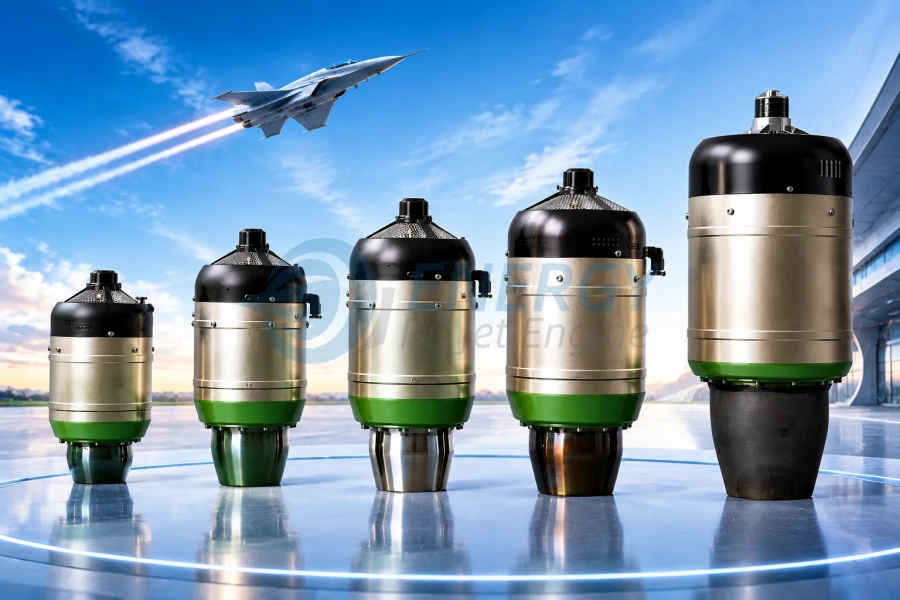
Finding the right turbojet engine for sale requires more than comparing prices. Buyers need to evaluate engine performance, manufacturing capabilities, product specifications, delivery schedules, and after-sales support before choosing a supplier. Whether you are purchasing a miniature turbine engine for an RC jet, sourcing high-thrust engines for an aerospace project, or planning bulk procurement, working with an experienced manufacturer can make the purchasing process more efficient and reliable.
This guide explains what international buyers should consider when sourcing turbojet engines directly from manufacturers and how to select a suitable engine supplier for long-term cooperation.
1. Where Can You Buy Turbojet Engines?
There are several ways to purchase turbojet engines, including buying directly from manufacturers, authorized distributors, and specialized industrial suppliers.
For professional buyers and businesses, purchasing directly from a turbojet engine manufacturer offers several potential advantages:
Direct technical communication: Discuss engine specifications, configurations, and application requirements with the manufacturer.
Factory-direct quotations: Obtain pricing based on engine models, quantities, and customization requirements.
OEM and ODM cooperation: Explore customized configurations and product development opportunities.
Bulk purchasing support: Coordinate production schedules and delivery arrangements for larger orders.
Technical assistance: Obtain product documentation, operating guidance, and relevant spare parts support.
When evaluating a turbojet engine supplier, buyers should review its product range, manufacturing experience, quality management procedures, and ability to support international orders.
2. What Types of Turbojet Engines Are Available for Sale?
Turbojet engines are available in different thrust classes and configurations. Selecting the appropriate engine depends on the aircraft platform, required thrust, operating conditions, and project objectives.
Common product categories include:
Micro Turbojet Engines
Micro turbojet engines are designed for compact propulsion applications where lightweight construction and small dimensions are important. They are commonly considered for miniature turbine systems and specialized experimental platforms.
Small RC Turbine Jet Engines
Small RC turbine jet engines are developed for radio-controlled jet aircraft and other compatible model aviation platforms. Important selection factors include engine weight, maximum RPM, fuel consumption, starting system, and ECU configuration.
Medium-Thrust Turbojet Engines
Medium-thrust engines provide higher propulsion output for larger experimental aircraft and specialized aerospace development projects. Buyers should evaluate thrust performance, installation dimensions, and overall system integration.
High-Thrust Turbojet Engines
High-thrust turbojet engines are designed for demanding propulsion requirements. Their selection requires careful evaluation of engine performance, fuel delivery, structural integration, thermal management, and operating conditions.
At Energy RCJetEngine, the product portfolio covers thrust classes from 1 kgf to 260 kgf, providing multiple options for different propulsion requirements.
3. How to Choose a Reliable Turbojet Engine Manufacturer
Choosing the right turbojet engine manufacturer is one of the most important steps in the procurement process. A competitive quotation alone does not guarantee that a supplier can meet your technical and commercial requirements.
يرجى مراعاة العوامل التالية:
Product Range and Technical Capabilities
Check whether the manufacturer offers different thrust classes and engine configurations. A supplier with a broader product portfolio may provide more flexibility when your project requirements change.
Manufacturing and Quality Control
Ask about production procedures, component inspection, assembly standards, and engine testing. Relevant technical documentation and test records can help buyers evaluate product consistency.
Customization and OEM/ODM Services
For projects with specific requirements, ask whether the manufacturer supports customized configurations, technical adjustments, or OEM/ODM cooperation.
Technical Support and Spare Parts
Long-term engine operation requires appropriate maintenance resources. Confirm the availability of technical documentation, replacement components, and after-sales assistance.
International Supply Experience
For overseas procurement, consider export documentation, packaging, shipping arrangements, and the supplier’s experience with international customers.
4. What Affects Turbojet Engine Prices?
The price of a turbojet engine varies according to its technical specifications, configuration, production requirements, and order quantity.
The main pricing factors include:
Thrust rating: Higher-thrust engines generally require different component sizes, materials, and manufacturing processes.
Engine configuration: ECU systems, starter motors, fuel pumps, and other components can affect the total package price.
Order quantity: Wholesale and bulk orders may qualify for different pricing arrangements.
Customization: Special dimensions, interfaces, or technical configurations may involve additional engineering and production costs.
Shipping and export requirements: Packaging, transportation, documentation, and destination-country requirements should be considered.
When requesting a quotation, buyers should clarify whether the quoted price covers the complete engine system or only the engine itself.
For more information, see our guide to turbojet engine pricing and purchasing considerations.
Learn More:How to Buy Turbojet Engines in Bulk: Wholesale, OEM/ODM & Custom Solutions
5. MOQ, Production Lead Time, and Bulk Orders
Minimum order quantity (MOQ) and production lead time are important considerations for international buyers.
Some manufacturers accept individual sample orders, while others may establish different purchasing conditions for wholesale or customized production.
Before placing an order, confirm:
Minimum order quantity for each engine model.
Sample order availability.
Production lead time after order confirmation.
Availability of existing inventory.
Estimated delivery arrangements.
Spare parts and future supply requirements.
For large procurement projects, buyers should also discuss whether orders can be divided into multiple production and delivery batches. This can help coordinate procurement schedules and inventory planning.
Actual MOQ and lead times should always be confirmed with the manufacturer based on the selected model and current production capacity.
6. What Information Should You Include in a Turbojet Engine RFQ?
A detailed request for quotation (RFQ) helps manufacturers recommend suitable products and prepare more accurate commercial offers.
When contacting a turbojet engine supplier, provide the following information:
قوة الدفع المطلوبة: Specify the target thrust in kgf or Newtons.
Engine model: Identify any preferred models or performance requirements.
Application: Describe the intended platform and propulsion requirements.
Order quantity: State the initial quantity and estimated future demand.
Technical requirements: Include dimensional limits, fuel preferences, control requirements, and other relevant specifications.
Delivery destination: Provide the destination country and preferred delivery schedule.
Providing complete information at the beginning can reduce unnecessary communication and accelerate the quotation process.
7. لماذا تختار شركة Energy RCJetEngine كمورد لمحركاتك النفاثة؟
Energy RCJetEngine specializes in turbine jet engines and propulsion solutions for RC aviation, UAV development, and related engineering applications.
Our product portfolio covers thrust ratings from 1 kgf to 260 kgf, including multiple engine models designed for different propulsion requirements.
Our product offering includes:
Multiple turbojet engine models and thrust classes.
Factory-direct wholesale supply.
OEM and ODM cooperation opportunities.
Technical consultation and product selection assistance.
Engine configurations for different project requirements.
Support for international business inquiries.
Whether you need a compact miniature turbojet engine or a higher-thrust propulsion system, our team can help you identify suitable models based on your technical and purchasing requirements.
8. Frequently Asked Questions
Q1: Where can I buy a turbojet engine?
You can purchase turbojet engines from specialized manufacturers, authorized distributors, and professional propulsion suppliers. Buying directly from a manufacturer can provide more direct access to product information and technical communication.
Q2: How much does a turbojet engine cost?
Prices depend on thrust rating, engine configuration, accessories, customization, and order quantity. Contact the manufacturer with your requirements for an accurate quotation.
Q3: Can I order turbojet engines in bulk?
Yes. Many manufacturers support wholesale inquiries and larger procurement projects. Confirm the MOQ, production capacity, and delivery schedule before placing an order.
Q4: Do turbojet engine manufacturers provide OEM/ODM services?
Some manufacturers offer OEM/ODM cooperation, including customized configurations and technical adjustments. Available services depend on the product and project requirements.
Q5: What should I check before purchasing a turbojet engine?
Review thrust performance, fuel requirements, engine dimensions, weight, control systems, testing documentation, supplier capabilities, and after-sales support.
Request a Turbojet Engine Quotation
Looking for a reliable turbojet engine manufacturer for your next project?
Energy RCJetEngine welcomes inquiries from international distributors, engineering companies, research organizations, and professional buyers.
Send us your required thrust rating, preferred engine model, estimated order quantity, and application details. Our team can help you evaluate suitable engine options and discuss pricing, availability, and production lead times.
الاتصال بالطاقة RCJetEngine
Contact us today to discuss your turbojet engine sourcing requirements and explore potential manufacturing cooperation.