

















引言
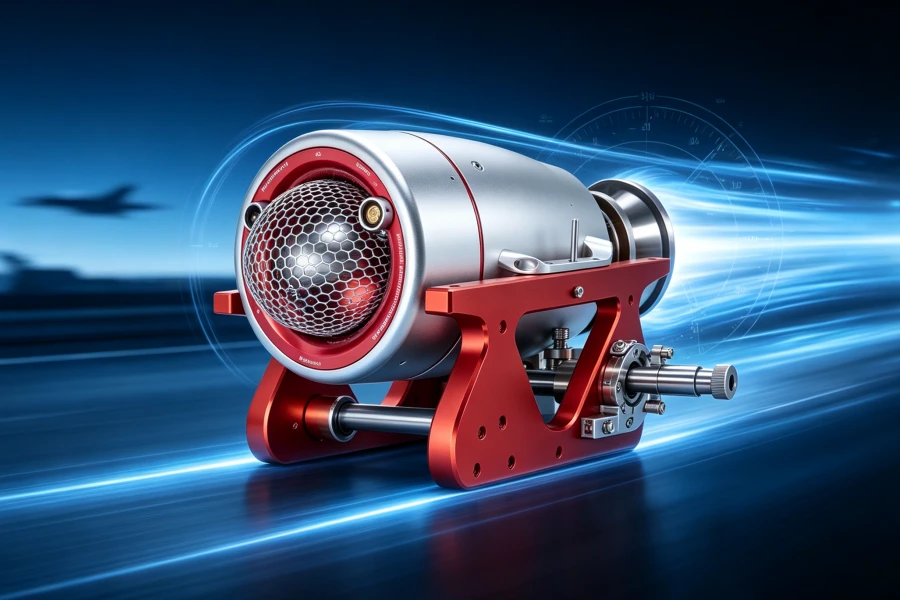
As lightweight UAV platforms, RC jet aircraft and experimental aviation projects continue to develop, compact turbine propulsion systems are becoming increasingly important. Compared with traditional piston engines or electric propulsion systems, 6–10kgf micro turbojet engines provide higher power density, realistic jet performance and excellent integration flexibility.
The 6–10kgf thrust class is designed for applications requiring a lightweight yet powerful propulsion solution. These small turbine engines offer an ideal balance between thrust output, engine weight, fuel efficiency and installation size, making them suitable for RC jets, compact UAV platforms and aviation research applications.
Energy RCJetEngine specializes in the design and manufacturing of small turbojet engines, providing factory-direct supply, OEM/ODM customization and propulsion solutions for global customers.
1. What Is a 6–10kgf Micro Turbojet Engine?
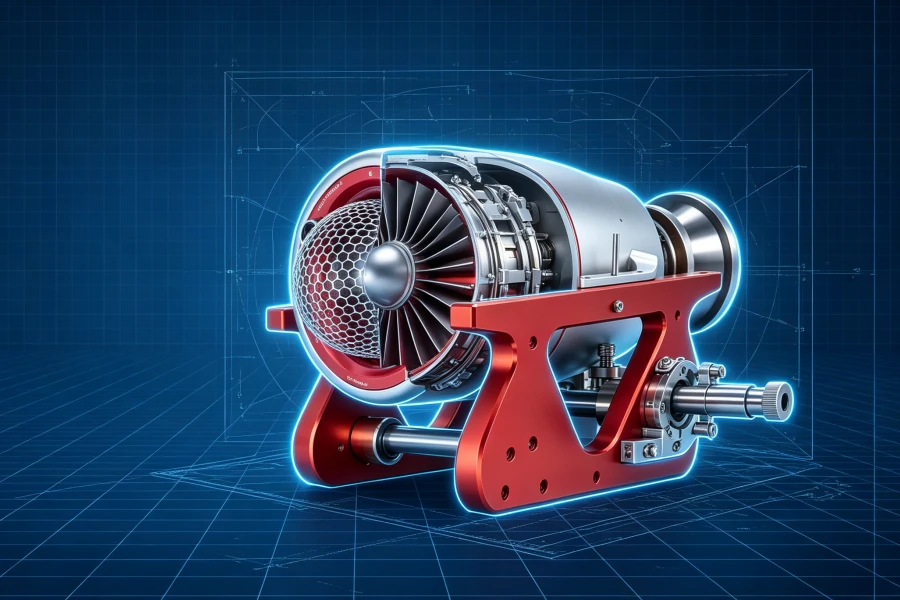
A 6–10kgf micro turbojet engine is a compact gas turbine propulsion system capable of generating approximately 6 to 10 kilograms-force of thrust.
Compared with larger turbojet engines, this thrust class offers:
- Compact dimensions
- Lightweight structure
- 降低耗油量
- Easier aircraft integration
- High-speed turbine performance
These characteristics make 6–10kgf engines suitable for:
- RC jet aircraft
- Small UAV propulsion systems
- Experimental aircraft
- Aviation education and research platforms
2. Why Choose a 6–10kgf Turbojet Engine?
For lightweight aircraft, selecting the correct propulsion system is critical. An oversized engine may increase aircraft weight and fuel requirements, while an undersized engine may limit flight performance.
A 6–10kgf micro turbojet engine provides a practical solution by offering:
Lightweight Power Output
Small turbine engines provide excellent thrust-to-weight ratios, allowing aircraft designers to allocate more weight for:
- Fuel capacity
- Avionics
- Sensors
- Payload equipment
Compact Installation
With small diameter and short overall length, micro turbojet engines can be integrated into limited aircraft spaces.
Realistic Jet Performance
Compared with electric propulsion, turbine engines provide:
- Authentic jet exhaust
- High-speed operation
- Real turbine sound and performance
- Aviation-grade propulsion experience
3. Key Parameters When Selecting a Micro Turbojet Engine
When choosing a 6–10kgf turbojet engine, engineers should evaluate several important specifications.
推力输出
Thrust determines aircraft capability, including:
- Takeoff performance
- Climb rate
- Maximum speed
- Payload capacity
A typical 6–10kgf engine class is suitable for lightweight RC jets and compact UAV platforms.
发动机重量
For small aircraft, every kilogram matters.
Lower engine weight improves:
- Flight efficiency
- Payload capacity
- Aircraft balance
- Endurance performance
For example, the Energy RCJetEngine EN-P10 micro turbojet engine achieves approximately 10kgf thrust with a lightweight design under 1kg, making it suitable for compact aviation applications.
Maximum RPM
Micro turbojet engines operate at extremely high rotational speeds.
High RPM contributes to:
- Efficient compressor performance
- Stable turbine operation
- Compact engine structure
Modern micro turbines commonly operate above 100,000 RPM depending on design and thrust class.
燃料消耗
Fuel efficiency directly affects aircraft endurance.
Important factors include:
- Specific fuel consumption
- Fuel tank capacity
- Mission duration
Lower fuel consumption helps extend flight time and reduce operating costs.
Read More:Small Turbojet Engine Price Guide (2026): Costs, Specs & Supplier Insights
4. Applications of 6–10kgf Micro Turbojet Engines
遥控喷气飞机
The 6–10kgf class is widely used for:
- Scale model jets
- Sport RC jets
- High-performance model aircraft
The compact size allows installation in smaller turbine-powered aircraft.
Small UAV Propulsion
For UAV developers, micro turbojet engines provide advantages in:
- High-speed flight
- Compact airframes
- Experimental platforms
Applications include:
- Research UAVs
- Technology demonstration aircraft
- Flight test platforms
Experimental Aviation Research
Universities, laboratories and aviation developers use micro turbine engines for:
- Propulsion testing
- Aerodynamic experiments
- Prototype aircraft development
5. Integrated ECU and Engine Control Technology
Modern micro turbojet engines require advanced electronic control systems.
A complete ECU system provides:
- Automatic engine startup
- Precise throttle management
- RPM monitoring
- Temperature monitoring
- Safety protection
Integrated control improves reliability and simplifies aircraft installation.
6. Choosing a Professional Micro Turbojet Engine Manufacturer
Selecting a reliable supplier is essential for aviation projects.
A professional manufacturer should provide:
Manufacturing Capability
Including:
- Engine production
- Performance testing
- Quality control
- Technical support
OEM/ODM Services
Customization options may include:
- Different thrust classes
- Structural modifications
- Control system customization
- Application-specific solutions
Factory Direct Supply
Working directly with a manufacturer provides:
- Competitive pricing
- Faster communication
- Engineering support
- Long-term cooperation
Energy RCJetEngine provides professional micro and small turbojet engine solutions for UAV, RC aircraft and experimental aviation customers worldwide.
结论
"(《世界人权宣言》) 6–10kgf micro turbojet engine class provides an excellent propulsion solution for lightweight UAVs, RC jets and experimental aviation projects.
With compact size, high-speed turbine performance, efficient fuel operation and advanced ECU control, these engines offer a practical balance between performance and integration flexibility.
As a professional turbojet engine manufacturer, Energy RCJetEngine supports global customers with OEM customization, factory-direct supply and complete turbine propulsion solutions.